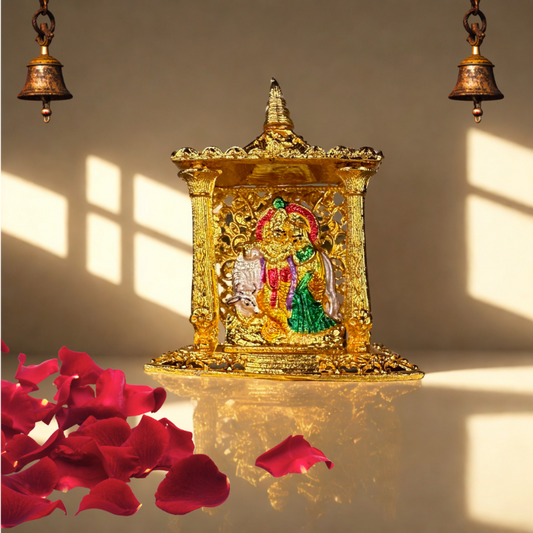

The Story of Chhathi Maiya: The Goddess of Fertility and Protection
Chhathi Maiya is worshipped as the goddess who blesses her devotees with health, happiness, and fertility. She is believed to be Usha Devi, the wife of Lord Surya (the Sun God), representing dawn and the nurturing energy that sustains life. Her worship, known as Chhath Puja, is among the most ancient Vedic rituals still alive in India today.
Devotees fast, offer arghya (water offerings) to the setting and rising sun, and express their gratitude for the blessings of light and life.

Chhathi Maiya: Origin of Faith
The divine tale of Chhath Maiya begins in ancient times when humanity sought blessings for fertility and well-being. The Chhathi Maiya story narrates how she emerged as a celestial force believed to protect every newborn child. According to Hindu tradition, she blesses women with the ability to bear healthy children and guards the prosperity of families through her divine grace.
The Legend of Queen Malini
According to the Chhathi Maiya story, King Priyavrat and Queen Malini were heartbroken as they had no child. One day, the queen gave birth to a stillborn baby, which filled the palace with sorrow. Overwhelmed by grief, the king prayed earnestly, and his prayers reached Chhath Maiya, who appeared before him. Moved by his devotion, she revived the lifeless child, blessing the royal family with happiness and making the sixth day after childbirth sacred forever.
The Birth of the Ritual
According to legend, Chhath Maiya first revealed her worship to King Priyavrat and Queen Malini, who were childless for many years. The queen once dreamt of a divine woman surrounded by light who instructed her to perform a specific puja for six days after Diwali. The queen followed her command with complete faith, and soon after, she was blessed with a healthy child.
This miracle became the foundation of the Chhathi Maiya story, inspiring countless families to worship the goddess with devotion. It is said that those who pray to her with a pure heart are blessed with children and protection from illness.
Symbolism of the Sixth Day
The sixth day after childbirth holds a unique position in Hindu tradition, symbolizing the divine touch of Chhath Maiya. It is believed that on this day, the goddess writes a child’s destiny, marking their journey in life. This is why the sixth day is celebrated with special offerings and prayers to honor her power and presence.
The Rituals and Offerings
During the festival of Chhath Maiya, every step—from preparing the prasad to offering arghya—holds symbolic meaning.
Key Rituals Include:
- Nahay-Khay: The first day, when devotees bathe in holy water and eat only pure vegetarian food.
- Lohanda and Kharna: The second day of fasting and preparing jaggery-kheer as a sacred meal.
- Sandhya Arghya: Offering prayers to the setting sun.
- Usha Arghya: Worshiping the rising sun on the final morning.
During the festival, devotees purify themselves and their surroundings before offering prayers to Chhath Maiya. Many also use Amrit Jal, considered a sacred water for shuddhi, to cleanse hands, feet, and utensils used in puja.

Role of Amrit Jal in Chhath Puja
Amrit Jal holds a sacred and purifying place in Chhath Puja, one of the most spiritual and disciplined festivals dedicated to Chhathi Maiya and Surya Dev (the Sun God). This holy water symbolizes purity, devotion, and spiritual rejuvenation, connecting devotees to the divine energy of the Sun and nature.
It’s sprinkled around the puja space, offerings, and even on the devotees to cleanse negative energies.
Chhath Puja and its Spiritual Meaning
Chhath Puja is the grand celebration dedicated to Chhath Maiya and Surya Dev. Devotees perform rigorous rituals such as fasting, bathing in sacred rivers, and offering arghya (water) to the setting and rising sun. This festival symbolizes gratitude for life, nature, and divine protection. The rituals also remind devotees to purify their hearts and lead a disciplined life.
The Protective Role of the Goddess
Devotees believe that Chhath Maiya protects children from evil forces and misfortune. Women observing the Chhath fast often do it for the welfare of their family and the long life of their children. Her divine presence offers emotional strength and mental peace, creating a strong sense of maternal connection between the goddess and her devotees.
Understanding Chhath Mata Significance
The Chhath Mata significance lies not only in fertility and protection but also in purity and devotion. She teaches the values of gratitude, patience, and sacrifice. The rituals performed during Chhath Puja, such as standing in water for long hours or fasting without food and water, are acts of surrender to the divine energy she embodies.
Social Harmony through Faith
Faith in Chhath Maiya unites communities beyond barriers of caste and creed. People come together on riverbanks, sharing offerings and songs in devotion. The festival promotes equality, humility, and love—universal values that reflect the true Chhath Mata significance. Her worship is a reminder that spirituality transcends differences and brings peace to every heart.
The Meaning of Chhath Mata Aarti
During the evening rituals, devotees chant the sacred hymns dedicated to Chhath Maiya. The Chhath Mata aarti meaning revolves around expressing gratitude to the goddess for her blessings of health, harmony, and fertility. Each verse of the aarti carries a vibration of faith, cleansing the devotee’s mind and surroundings with divine positivity.
Spiritual Connection through Music and Prayer
The rhythmic devotion expressed through songs for Chhath Maiya creates an emotional and spiritual bond among devotees. The Chhath Mata aarti meaning goes beyond the words—it symbolizes the surrender of the soul to the goddess, asking her to protect future generations and grant prosperity to all.
Lessons from Devotion
From fasting mothers to young devotees offering fruits at dawn, the worship of Chhath Maiya represents resilience and gratitude. Her story teaches that faith can conquer pain, patience brings blessings, and humility invites divine grace. She reminds us that every hardship can lead to light if faced with devotion and discipline.
FAQs about Chhath Puja
1. Who is Chhathi Maiya in Hindu tradition?
Chhathi Maiya is the goddess of fertility and protection, believed to bless women with healthy children and safeguard families from evil forces.
2. What is the spiritual meaning of Chhath Puja?
Chhath Puja honors Chhath Maiya and Surya Dev for sustaining life on earth and symbolizes gratitude, purity, and devotion.
3. What does the Chhath Mata aarti meaning convey?
The Chhath Mata aarti meaning conveys surrender, devotion, and gratitude towards the goddess for her unending love and protection.
4. Why is Chhath celebrated on the sixth day after Diwali?
It is believed that Chhath Maiya wrote the destiny of newborns on the sixth day after their birth, symbolizing divine guidance and care.
Final Thoughts
The worship of Chhath Maiya is not merely a ritual but a heartfelt celebration of motherhood, protection, and divine balance. Through her blessings, devotees find strength, purity, and peace. Her presence reminds humanity of the eternal bond between the sun, nature, and life itself—a bond that continues to guide and protect generations.
As you honor Chhath Maiya with devotion and purity, you can keep a silver coin of the goddess as a lasting symbol of protection and prosperity. It serves as a gentle reminder of her blessings for health, happiness, and family well-being.
👉Order Your Lakshmi Ganesha Pure Silver Coin Here:

Written by Niyati Phogat