
History of Jagannath Rath Yatra: Sacred Origins
History of Jagannath Rath Yatra: Why Millions Pull the Chariot Every Year

INTRODUCTION
The history of Jagannath Rath Yatra is not just an ancient mythological tale; it is the ultimate living testament to a God who steps out of his sanctum to embrace the world. Every year, a vast, roaring sea of humanity gathers on the Grand Road of Puri to pull three colossal chariots, breaking down all barriers of caste, creed, and status. Unlike strict, traditional temple rituals where devotees must journey to see the divine, this breathtaking chariot festival reverses the dynamic—the Lord of the Universe (Jagannath) leaves His majestic temple to shower grace upon the masses.
Over centuries, this profound expression of divine accessibility has evolved into one of India’s most iconic spiritual traditions. In this comprehensive guide, we will explore the deep scriptural origins of this grand procession, uncover the powerful symbolism behind the act of pulling the chariot, and learn how you can connect with this boundless devotion from your own home today.
What is the Jagannath Rath Yatra? (Quick Facts)
| Sacred Attribute | Spiritual Details |
| Core Deities | Lord Jagannath, Lord Balabhadra, and Devi Subhadra. |
| Location | Originates at the Shree Jagannath Temple in Puri, Odisha. |
| The Destination | The Gundicha Temple (The Lord's birthplace/aunt's home). |
| Scriptural Basis | Deeply detailed in the Skanda Purana and Padma Purana. |
| Sacred Connection |
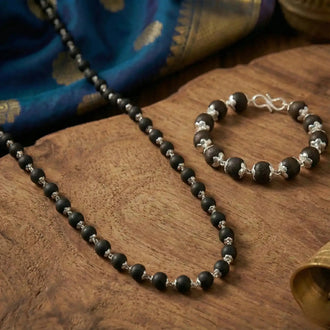
Honor the Lord's journey with a Dharmik 108-Bead Tulsi Mala for daily chanting. |
The Origin of the Rath Yatra Tradition
The roots of this grand procession trace back thousands of years and are deeply embedded in Puri’s sacred traditions.
Mythological Beginnings
According to Hindu scriptures, Lord Jagannath, along with his siblings Balabhadra and Subhadra, undertakes an annual journey to his aunt’s temple, known as the Gundicha Temple. This journey symbolizes divine outreach—God stepping out to meet devotees.
The festival is also linked to stories from the Puranas, where the act of seeing the deity outside the temple is believed to grant immense spiritual merit.
Historical Evolution
Historically, the festival gained prominence during the reign of the Ganga dynasty in Odisha. Kings patronized the event, ensuring its continuity and grandeur. Over time, it transformed into a mass pilgrimage attracting devotees from across India and beyond.

History of Jagannath Puri Temple
The Symbolism Behind the Chariot Journey
The Rath Yatra is not merely a procession—it is a philosophical expression of divine movement and human devotion.
God Among the People
Unlike traditional temple rituals, where devotees visit the deity, here the deity comes out. This reverses the spiritual dynamic, symbolizing accessibility and inclusivity.
It reflects a key philosophical idea: divinity is not distant—it is present in everyday life.
The Journey of the Soul
The chariot itself is often interpreted as the human body, while the deity represents the soul. The movement of the chariot signifies life’s journey guided by divine will.
Collective Participation
The act of pulling the chariot represents collective effort in spiritual progress. It erases distinctions of caste, class, and status—everyone becomes equal in devotion.
Meaning of Bhakti in Hindu Traditions
Why Millions Pull the Chariot Every Year
One of the most striking aspects of the festival is the sheer number of people eager to pull the ropes.
Spiritual Merit and Liberation
It is believed that pulling the chariot grants liberation (moksha) and washes away sins. This belief draws millions who see it as a rare spiritual opportunity.
Expression of Bhakti
For devotees, this act is not ritualistic—it is emotional. The physical effort becomes a form of seva (service), expressing surrender and love toward the divine.
Cultural and Social Unity
The festival transcends religious boundaries, attracting people from diverse backgrounds. It becomes a living example of unity in diversity.
Explore sacred chanting Mala for devotion
Using spiritual tools like a Rudraksha mala can deepen one’s connection to such acts of devotion, even outside the festival.
Rituals and Traditions of the Festival
The Rath Yatra is a carefully orchestrated sequence of rituals, each carrying symbolic meaning.
Construction of the Chariots
Every year, new chariots are built using sacred wood. This signifies renewal and the impermanence of material forms.
The Pulling Ceremony
The most awaited moment is when devotees pull the ropes of the chariots. Priests initiate the movement, but the momentum comes from the people.
Return Journey (Bahuda Yatra)
After reaching the destination temple, the deities return in a similar procession, completing the cycle of departure and return.

Complete Guide to Hindu Festival Rituals
Rath Yatra in Modern Times
Despite its ancient origins, the festival continues to evolve while retaining its spiritual essence.
Global Celebrations
Today, Rath Yatra is celebrated worldwide, from London to New York, spreading its message of devotion and inclusivity.
Digital Devotion
With technology, devotees can now witness the festival virtually, ensuring participation even from afar.
Continuing Relevance
In a fast-paced world, the festival serves as a reminder of humility, community, and spiritual grounding.
Buy Authentic Rudraksha mala for daily japa →
Which Sacred Item Supports Your Devotion?
| Spiritual Need | Best Suited For | Dharmik Recommendation |
| Focused Mantra Chanting | Devotees reciting the Jagannath Ashtakam or daily japa. | Original 108-Bead Tulsi Mala |
| Temple Blessings at Home | Families wanting authentic prasad during festival days. | Dharmik Sacred Prasad Box |
| Daily Spiritual Protection | Individuals seeking to carry divine energy with them. | Silver Plated Lord Vishnu Pendant |
FAQ SECTION
Q1. What is the origin of Rath Yatra?
The origin of Rath Yatra traces back to ancient Hindu traditions in Puri, Odisha, where Lord Jagannath travels annually to the Gundicha Temple. Rooted in deep Puranic mythology and supported by centuries of royal patronage, this grand procession celebrates the Lord's profound love for his devotees and his desire to step out of the temple to bless everyone.
Q2. Why do people pull the Rath Yatra chariot?
People pull the Rath Yatra chariot because it is considered a supreme act of devotion that grants profound spiritual merit and purification. In Hindu philosophy, physically pulling the ropes symbolizes the ultimate surrender of the human ego to divine will, allowing devotees to actively participate in the Lord's sacred journey toward liberation and inner peace.
Q3. Where is Rath Yatra celebrated?
Rath Yatra is celebrated most famously in the sacred city of Puri, Odisha, which hosts the original, massive chariot procession. However, due to its universal spiritual appeal, this magnificent festival of faith is now observed globally, with vibrant processions taking place in major cities worldwide wherever devoted communities gather to honor Lord Jagannath.
Q4. What is the significance of the chariot?
The significance of the chariot lies in its beautiful representation of the human body, while the deity seated inside perfectly symbolizes the eternal soul. As the chariot moves forward, the journey profoundly reflects human life guided entirely by divine presence, teaching devotees that true progress requires keeping the Lord firmly seated at the center of their existence.
Q5. Can Rath Yatra be observed at home?
Yes, Rath Yatra can be beautifully observed at home if you cannot attend a procession. Devotees can celebrate by setting up a pure mandir space, offering heartfelt puja, and performing focused japa using an authentic Rudraksha mala. Cultivating deep devotion within your own heart connects you directly to the profound divine energy of Lord Jagannath's sacred journey.
CONCLUSION
The Rath Yatra is far more than a festival—it is a living tradition that embodies devotion, equality, and spiritual philosophy. From its ancient origins to its modern global presence, it continues to inspire millions.
The act of pulling the chariot symbolizes surrender, unity, and the human quest for divine connection. It reminds us that spirituality is not confined to temples—it thrives in collective devotion.
To deepen your personal spiritual practice, explore sacred tools like a Rudraksha mala and bring the essence of devotion into your daily life.
Shop Authentic Rudraksha Mala →