
What Is Chhath Puja and Why It Is Celebrated
Chhath Puja stands as one of the most ancient and spiritually profound festivals in Hinduism, rooted in Vedic tradition and celebrated with unwavering devotion. Dedicated to Surya Dev (the Sun God) and Chhathi Maiya (the Goddess of fertility and children), this sacred observance transcends mere ritual—it represents humanity's gratitude toward the cosmic energy that sustains all life on Earth.
As devotees gather at riverbanks, standing waist-deep in water to offer arghya to both the setting and rising sun, they participate in a tradition dating back thousands of years to the Rig Veda itself.

The Origin of Chhath Puja: From Rig Veda to Modern Times
The origins of Chhath Puja reach back to the Vedic period. The Rig Veda contains hymns praising Surya, the cosmic witness who governs light and life, and early Vedic rituals prescribed arghya—the offering of water to the sun as a gesture of submission and renewal. References to sun worship appear in the Rigveda, where sages performed similar rituals to invoke solar energy for physical and spiritual well-being.
Worship of Surya Dev and Chhathi Maiya
Chhath Puja is intrinsically about worshipping two divine entities:
Surya Dev: The visible form of the divine, sustaining all life on Earth. He symbolizes power, wisdom, and illumination—both physical and spiritual. Worshipping Surya Dev ensures vitality and prosperity.
Chhathi Maiya: Also known as Usha or Shashthi Devi, she is the sixth form of Prakriti (Mother Nature) and the consort of Surya Dev. According to Brahmavaivarta Purana, when God created the world, Prakriti was divided into several elements, of which the sixth part is Chhathi. She is worshipped as the goddess of power, well-being, fertility, and the divine protector of children, ensuring their longevity and good health.
The Name "Chhath" and Shashthi Tithi
The name "Chhath" derives from the number six (Shashthi in Sanskrit), as the main rituals are performed on the sixth day (Shashthi Tithi) of the Hindu lunar month of Kartika—six days after Diwali.
Why Chhath Puja Is Celebrated: The Divine Stories
The Chhath Puja story encompasses multiple sacred narratives from Hindu mythology, each revealing why this festival holds such profound significance.
The Story of Sita Mata: The First Chhath
The most beautiful meaning of Chhath Puja comes from the Ramayana. After returning to Ayodhya from 14 years of exile and Lord Rama's victory over Ravana, Sita Mata observed the first Chhath fast. On the sixth day of Kartik month (Shashthi Tithi), she offered prayers and arghya to Surya Dev to express gratitude for their victorious return and to seek blessings for Ayodhya's prosperity.
Local people in Munger, Bihar, believe Sita performed the Chhath vrat there. The Sita Charan Mandir, a temple with impressions of Sita's feet, stands testimony to this sacred lore. This act by Sita is seen as one of the earliest forms of Chhath Puja, symbolizing gratitude, purification, and devotion—establishing the tradition that millions follow today.
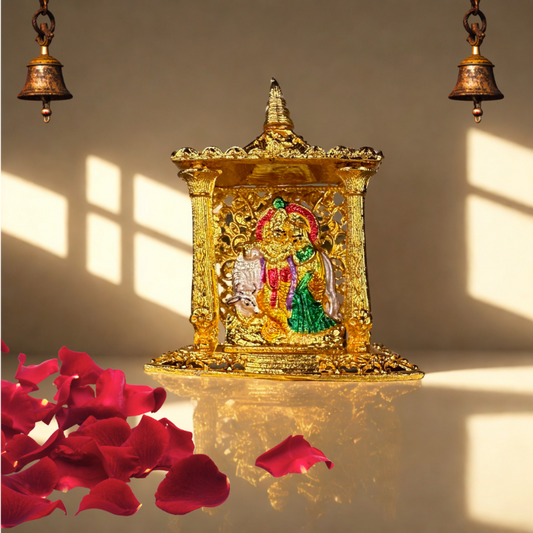
Lord Rama and Mata Sita's observance of Chhath represents the victory of light over darkness, good over evil, and the importance of thanking divine forces for blessings received. This connection makes the Divine Ram Darbar and Premium Ram Darbar particularly significant during Chhath Puja—they embody the very deities who first performed this sacred ritual.
King Priyavrat and Chhathi Maiya's Blessing
Another origin story traces Chhath Puja to King Priyavrat, son of the first Manu. Childless and sorrowful, he and his queen, Malini, performed a sacred yajna. Though the queen's child was stillborn, Chhathi Maiya (also called Devasena, daughter of Brahma) appeared radiantly, placed her divine hands on the lifeless infant, and blessed it with life. She declared, "I am Chhathi Maiya, the sixth form of Prakriti. I protect all the children of the world and give the blessings of children to all childless parents." King Priyavrat then pledged to establish Chhathi Maiya's worship across the land, making her the protector of children and source of hope for childless couples.
Karna's Daily Sun Worship
In the Mahabharata, Karna, the son of Surya Dev and Kunti, performed daily arghya while standing waist-deep in water. Known for courage and generosity, Karna's unwavering practice of offering water oblations to his father, Surya Dev, laid the foundation for many elements seen in Chhath Puja today. This ritual is still observed by millions in modern times.
Draupadi and the Pandavas
Draupadi and the Pandavas also performed Chhath rituals to overcome suffering during vanvas (forest exile) and regain their lost kingdom, seeking divine blessings and strength from Surya Dev.
The Meaning of Chhath Puja: Deeper Spiritual Significance
Why Chhath Puja is celebrated encompasses multiple layers of meaning:
- Gratitude to Life's Source: The sun is the visible source of all life, energy, and vitality. Chhath expresses thanksgiving for this cosmic gift.
- Post-Harvest Celebration: As a post-harvest festival, it shows gratitude for bountiful crops, especially rice harvested in this season.
- Purification and Discipline: The rigorous 36-hour fast without water symbolizes complete surrender to divine energy, purifying body and soul.
- Connection with Nature: The festival celebrates harmony between human life and natural elements—sun, water, air, and soil—promoting eco-friendly living.
- Family Welfare: Devotees observe Chhath primarily for children's health, longevity, prosperity, and protection from diseases through Chhathi Maiya's blessings.
- Spiritual Renewal: Standing in water at dawn and dusk—when natural rhythms change—helps practitioners absorb solar energy for mental clarity and spiritual awakening.
Honoring Rama and Sita's Sacred Tradition
Since Sita Mata performed the first Chhath Puja, having a Divine Ram Darbar in your home creates a direct spiritual connection to this ancient tradition. When you worship the divine family of Ayodhya—Lord Rama, Sita Maa, Lakshman, and Hanuman—you honor the very deities who established this sacred observance.
For devotees celebrating Chhath Puja, the Premium Ram Darbar serves as a focal point of devotion, reminding the family of Rama's victorious return and Sita's grateful worship of Surya Dev. The exquisite craftsmanship captures the divine essence of Ayodhya's royal court, making it a perfect addition to homes observing Chhath with devotion.
The Four-Day Celebration
Chhath Puja unfolds across four sacred days:
- Day 1 - Nahay Khay: Holy bath and eating sattvic food.
- Day 2 - Kharna: Full-day fast broken after sunset with kheer and fruits.
- Day 3 - Sandhya Arghya: Offering to the setting sun while standing in water.
- Day 4 - Usha Arghya: Offering to the rising sun, followed by fast-breaking.
Each ritual connects devotees with cosmic rhythms, natural cycles, and ancient Vedic wisdom.

FAQs About Chhath Puja
Q1. What is the origin of Chhath Puja?
Chhath Puja originates from Vedic times when Rig Veda hymns prescribed sun worship. Mythologically, Sita Mata performed the first Chhath after returning to Ayodhya, while King Priyavrat established Chhathi Maiya's worship after she revived his stillborn child.
Q2. Why is Chhath Puja celebrated?
Chhath Puja is celebrated to thank Surya Dev for sustaining life, to invoke Chhathi Maiya's blessings for children's health and longevity, and to express gratitude for bountiful harvests while purifying body and soul through disciplined fasting.
Q3. What is the Chhath Puja story of Sita Mata?
After Lord Rama's victory over Ravana, Sita Mata observed the first Chhath fast on Shashthi Tithi of Kartik month, offering arghya to Surya Dev to thank him for their victorious return and to seek blessings for Ayodhya's prosperity.
Q4. What is the meaning of Chhath Puja?
The meaning of Chhath Puja encompasses gratitude to Surya Dev for life's energy, worship of Chhathi Maiya for children's protection, purification through discipline, connection with nature, and celebration of humanity's bond with cosmic forces.
Q5. Why are both Surya Dev and Chhathi Maiya worshipped together?
Chhathi Maiya is Surya Dev's consort and the sixth form of Prakriti. Together they represent masculine solar energy and feminine nurturing power—the complete cosmic balance sustaining all life.
Final Reflections
Chhath Puja is not merely a festival—it's a living bridge connecting modern devotees to Vedic wisdom, to Sita Mata's devotion, to Karna's discipline, and to the eternal gratitude humanity owes the Sun. When you observe Chhath, you participate in a tradition that predates written history, rooted in the Rig Veda's sacred hymns.
As you stand in water offering arghya to both the setting and rising sun, you mirror Sita's grateful prayers after Rama's victory. As you fast rigorously, you embody Karna's unwavering devotion. As you pray for children's wellbeing, you invoke Chhathi Maiya's protective blessings that revived King Priyavrat's child.
This year, honor the sacred tradition established by Sita Mata by welcoming the Divine Ram Darbar into your home. Let the presence of Rama, Sita, Lakshman, and Hanuman remind you daily of the devotion, gratitude, and righteousness that Chhath Puja celebrates.
May Surya Dev illuminate your path with wisdom and vitality. May Chhathi Maiya bless your family with health, prosperity, and protection.
Jai Surya Dev! Jai Chhathi Maiya! Jai Siya Ram!
👉 Honor Sita Mata's sacred tradition: Bring home the Divine Ram Darbar or Premium Ram Darbar—celebrating the divine family who established the Chhath Puja tradition with their devotion and gratitude to Surya Dev.