
History and Origin of Rudraksha Beads
Where Did Rudraksha Beads Truly Come From?
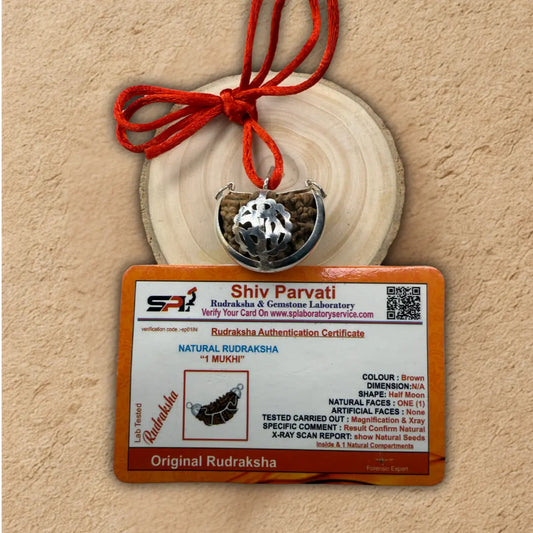
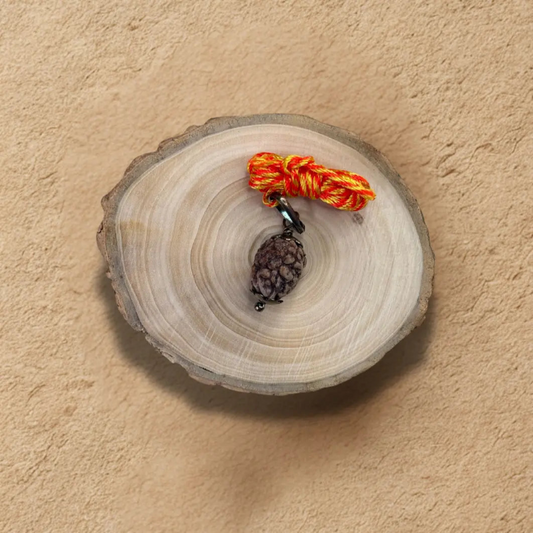
Have you ever wondered how the mystical Rudraksha beads became such a powerful symbol of devotion and protection? The story of Rudraksha is not just about a sacred seed — it’s about divine compassion, ancient mythology, and timeless spiritual energy. These holy beads, like the 1 Mukhi Rudraksha, are considered the tears of Lord Shiva — a symbol of both destruction and creation.

What Is the Meaning Behind the Word “Rudraksha”?
-
The word Rudraksha is derived from Sanskrit — “Rudra” meaning Lord Shiva and “Aksha” meaning tears.
-
According to mythology, when Lord Shiva opened his eyes after years of deep meditation, tears fell upon the Earth and turned into Rudraksha trees.
-
These sacred trees are mainly found in the Himalayan regions, Indonesia, and Nepal, carrying the divine vibration of peace and protection.
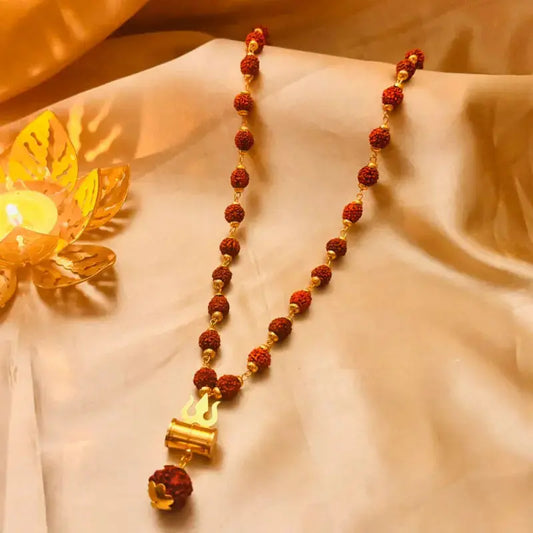
Even today, many devotees wear malas like the 5 Mukhi Rudraksh Mala to invoke Shiva’s energy and inner balance.
How Does Hindu Mythology Explain the Origin of Rudraksha?
-
In the Shiva Purana, it is said that Rudraksha beads were formed from the compassionate tears of Lord Shiva, shed for the welfare of humanity.
-
Each bead represents the cosmic energy that helps cleanse the mind and awaken inner consciousness.
-
The myth signifies the transition from sorrow to spiritual awakening — from Shiva’s tears came the seeds of liberation.
To experience this spiritual energy, many devotees use malas and bracelets such as the Rudraksha Mala and Panch Mukhi Rudraksha Bracelet Combo during prayer or meditation.
What Is the Historical Background of Rudraksha Usage?
- Ancient yogis, sages, and ascetics wore Rudraksha beads for centuries as a natural aid to focus during meditation.
-
Historical texts mention Rudraksha as early as 5000 years ago, described as sacred armor against negative energies.
-
They were used not just in India but across Southeast Asia for their balancing and healing powers.
If you’re beginning your spiritual journey, start with the Do Mukhi Rudraksha — known to bring harmony in relationships and balance between mind and heart.

What Are the Types of Rudraksha and Their Significance?
Each Mukhi (face) of Rudraksha has a unique vibration and spiritual purpose.
-
1 Mukhi Rudraksha: Symbol of ultimate truth and unity with Lord Shiva.
-
6 Mukhi Rudraksha: Represents Lord Kartikeya, bestowing courage and focus.
-
10 Mukhi Rudraksha: Offers protection against negative energies and harmful influences.
You can explore these powerful beads, like the 6 Mukhi Rudraksha and 10 Mukhi Rudraksha, to connect with specific energies that match your spiritual goals.
Why Is Rudraksha Still Relevant in Modern Times?
-
In a world filled with chaos, Rudraksha beads act as natural stabilizers — promoting calmness, focus, and clarity.
-
Scientists have even found electromagnetic properties that positively affect the nervous system.
-
Whether worn as a necklace or bracelet, Rudraksha remains a timeless bridge between science and spirituality.
Many choose malas like the 5 Mukhi Rudraksh Mala (Medium Beads) for daily wear to feel grounded and spiritually aligned.

FAQs on Rudraksha History and Origin
-
Who discovered Rudraksha beads?
According to Hindu mythology, Lord Shiva is said to have created them through his divine tears. -
Are Rudraksha trees found only in India?
No, they also grow in Nepal, Indonesia, and some parts of Southeast Asia. -
When did people start wearing Rudraksha?
Historical texts show that sages and saints wore them over 5000 years ago. -
Which Rudraksha is considered most powerful?
The 1 Mukhi Rudraksha is regarded as the most sacred and powerful among all.
Conclusion: The Eternal Legacy of Rudraksha — From Shiva’s Tears to the Seeker’s Heart
The history and origin of Rudraksha beads remind us that every seed holds divine power — born from compassion, carrying the vibration of Shiva’s consciousness.
Buy your 1 Mukhi Rudraksha now -