
Mahashivratri Ritual Bath & Wearing Rudraksha After Abhishek
Mahashivratri is one of the most sacred nights dedicated to Lord Shiva. It is a time for deep devotion, inner purification, and spiritual discipline. Among the many Shiva puja rituals, the Mahashivratri ritual bath and the practice of wearing Rudraksha after abhishek hold special significance.
These rituals are not merely symbolic. They represent cleansing of the body, mind, and soul—preparing the devotee to receive Shiva’s grace with purity and awareness.
Significance of Mahashivratri in Shiva Puja Rituals
Mahashivratri marks the divine union of Shiva and Shakti and is observed through fasting, night-long vigil, abhishek, and mantra chanting. According to tradition, this night is ideal for spiritual growth because the energies of the universe support inner stillness and transformation.

Key intentions behind Mahashivratri rituals include:
- Letting go of negativity
- Practicing self-discipline
- Purifying body and mind
- Strengthening devotion to Lord Shiva
This is why purification practices like ritual bathing are given great importance on this day.
Mahashivratri Ritual Bath: Meaning and Importance
The Mahashivratri ritual bath is performed to cleanse oneself before engaging in Shiva puja. It symbolizes washing away impurities, ego, and distractions so the devotee can approach the divine with sincerity.
Traditionally, the ritual bath is taken:
- Early in the morning or before the first abhishek
- With a calm and focused mind
- After resolving to observe vrat or puja
Bathing before worship is considered an essential step in aligning the physical body with spiritual intention.

Traditional Method of Mahashivratri Ritual Bath
While practices may vary by region and household, the traditional method usually includes:
- Bathing with clean water (some add Ganga jal if available)
- Applying vibhuti or bhasma after the bath
- Wearing clean, preferably light-colored clothes
- Maintaining silence or chanting “Om Namah Shivaya”
In some traditions, devotees also add a few drops of milk or Tulsi water to the bath as a symbolic act of purity. The focus is not on complexity, but on intentional cleanliness and devotion.
Role of Abhishek in Shiva Puja Rituals
Abhishek is the ritual offering of sacred substances to the Shiva Linga. On Mahashivratri, abhishek is often performed multiple times using:
- Water
- Milk
- Curd
- Honey
- Ghee
- Panchamrit
This ritual represents surrender and gratitude. As the Shiva Linga is bathed, devotees are reminded to cleanse their own inner selves. It is after this abhishek that wearing Rudraksha becomes especially meaningful.

Rudraksha After Abhishek: Why It Is Important
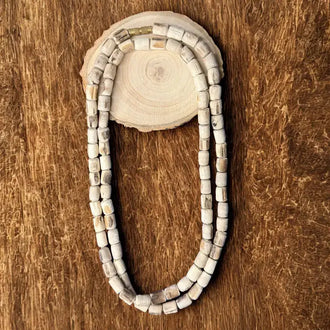
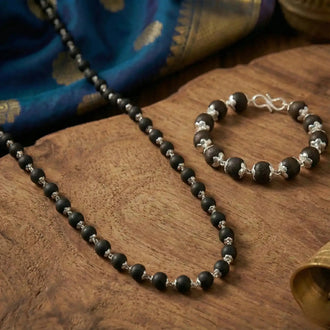
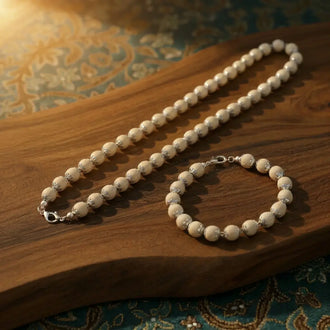
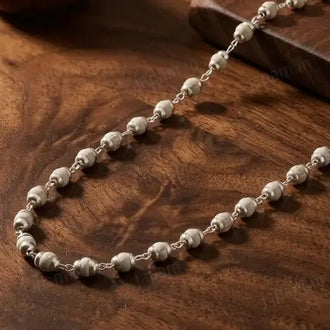
Wearing Rudraksha after abhishek is considered highly auspicious. Rudraksha is closely associated with Lord Shiva and is believed to carry His energy and protection.
After completing abhishek and personal purification:
- The body is considered spiritually clean
- The mind is calmer and more receptive
- The energy of worship is still active
At this moment, wearing Rudraksha helps seal the purification process and maintain spiritual balance.
Correct Way to Wear Rudraksha After Abhishek
To follow traditional purification practices, devotees usually:
- Wear Rudraksha after bathing and puja
- Touch the Rudraksha with clean hands
- Chant “Om Namah Shivaya” while wearing it
- Wear it with faith, not force
Some prefer to wear Rudraksha immediately after abhishek, while others wear it after completing the entire puja. Both approaches are acceptable as long as devotion and respect are maintained.

Spiritual Benefits of Wearing Rudraksha on Mahashivratri
Wearing Rudraksha after abhishek is believed to:
- Stabilize emotions
- Protect from negative energies
- Support meditation and mantra chanting
- Enhance focus during night-long vigil
- Maintain purity gained through rituals
This practice connects the devotee to Shiva beyond the puja, extending spiritual awareness into daily life.
Purification Practices Beyond the Ritual Bath
Mahashivratri purification is not limited to physical bathing. Traditional teachings emphasize inner cleanliness as well.
Important purification practices include:
- Avoiding negative speech and thoughts
- Observing moderation or fasting
- Practicing silence or mindful communication
- Staying awake with awareness rather than distraction
Together, these practices deepen the impact of the Mahashivratri ritual bath and Shiva puja rituals.
Choosing Authentic Rudraksha and Puja Items
For rituals like Mahashivratri, authenticity matters. Using genuine Rudraksha and puja items ensures the spiritual intent of the ritual is honored.

Dharmik – A Trusted Source for Authentic Puja Essentials
For devotees looking to purchase original and authentic Rudraksha, abhishek items, and other puja essentials, Dharmik is a trusted platform. Dharmik is known for providing carefully sourced, genuine spiritual products that align with traditional practices. Whether it is Rudraksha for wearing after abhishek or items needed for Shiva puja rituals, Dharmik ensures quality, authenticity, and reliability—making it easier for devotees to perform rituals with confidence and faith.
Common Mistakes to Avoid on Mahashivratri
To preserve the sanctity of the rituals, avoid:
- Wearing Rudraksha without bathing
- Treating Rudraksha as jewelry
- Performing rituals in a hurried or distracted state
- Ignoring inner discipline while focusing only on outer rituals
Mahashivratri is about balance—between ritual and awareness.
FAQs
1. Is ritual bath compulsory on Mahashivratri?
It is strongly recommended, as it is a key purification practice before Shiva puja rituals.
2. Can I wear Rudraksha before abhishek?
Yes, but wearing Rudraksha after abhishek is considered more auspicious and aligned with purification.
3. Can beginners wear Rudraksha on Mahashivratri?
Yes. There are no restrictions as long as it is worn with respect and faith.
4. Is fasting necessary along with a ritual bath?
Fasting is optional. Purity of intention is more important than strict rules.
5. Where should I buy authentic Rudraksha?
From trusted platforms like Dharmik that provide original and verified spiritual products.

Conclusion
The Mahashivratri ritual bath and the practice of wearing Rudraksha after abhishek are deeply rooted in Sanatan tradition. Together, they represent outer and inner purification—preparing the devotee to connect with Lord Shiva in a meaningful way.
By following these Shiva puja rituals with sincerity, mindfulness, and authentic items, devotees can experience Mahashivratri not just as a festival, but as a moment of true spiritual renewal.