
Govardhan vs Diwali: Spiritual Meaning Behind the Second Day of Diwali
The festival of Diwali is a radiant celebration of light, hope, and prosperity — yet its second day, Govardhan Puja, carries a different kind of light: the glow of faith and gratitude. Both Govardhan and Diwali together remind us that devotion is the soul of celebration.
On this sacred day, devotees honor Lord Krishna’s act of lifting Govardhan Hill to protect the people of Vrindavan. It’s not just a story of divine power — it’s a message of humility, nature worship, and divine love.
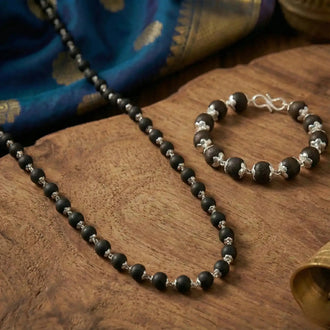
Celebrate this spiritual harmony with the Tulsi Mala combo, perfect for Diwali and Govardhan Puja prayers.

What Is the Spiritual Connection Between Govardhan and Diwali?
Though celebrated side by side, Govardhan and Diwali carry distinct yet complementary meanings. While Diwali celebrates victory over darkness, Govardhan reminds us to remain humble and grateful before divine forces.
- Diwali honors the return of Lord Rama and the triumph of righteousness.
- Govardhan Puja after Diwali celebrates Lord Krishna’s compassion and nature’s sanctity.
- Together, they balance material joy with spiritual depth.
These twin festivals invite us to illuminate not just our homes but also our hearts with devotion.
Why Do We Celebrate Govardhan Puja After Diwali?
Govardhan Puja after Diwali originates from the tale where Lord Krishna guided the villagers of Vrindavan to worship Govardhan Hill instead of Indra. In anger, Indra sent storms, but Krishna lifted the hill to protect all beings beneath it.
- The event symbolizes divine protection and faith.
- It represents surrender to God’s will over material pride.
- It honors nature as a living manifestation of divinity.
To stay spiritually grounded, adorn yourself with the Tulsi Kanthi Mala, a symbol of devotion and inner purity.
What Is the Spiritual Meaning of the Second Day of Diwali?
The Diwali second day meaning goes beyond joy and feasting. It marks the transition from celebration to reflection — from light outside to light within. On this day, devotees thank the divine for protection and sustenance.
- It reminds us that strength lies in humility, not pride.
- The day represents harmony between humans, animals, and nature.
- Worshipping Govardhan and Diwali together unites celebration with surrender.
Chanting with the Tulsi Japa Mala can help bring this balance into your daily devotion.
What Is the Importance of Govardhan Puja in Hindu Tradition?
The Govardhan Puja importance lies in its message of gratitude toward nature and divine creation. Lord Krishna’s act teaches that caring for the Earth is the highest form of worship.
- Devotees decorate cow dung mounds as symbolic Govardhan Hills.
- Annakut (mountain of food) is offered to Lord Krishna.
- Cows, representing motherly care, are worshipped and fed.
Bring divine energy to your altar with the Radha Madhav Tulsi Kanthi Mala, a sacred symbol of love and harmony.

How Do Devotees Perform Annakut Puja Rituals?
The Annakut ritual is central to Govardhan Puja after Diwali. It expresses gratitude to God through abundance and sharing.
- Prepare pure vegetarian dishes, sweets, fruits, and grains.
- Offer them before Lord Krishna’s idol or picture.
- Sing devotional bhajans and perform parikrama around the Govardhan mound.
Decorate your puja space with the divine Krishna Darbar — a handcrafted symbol of Lord Krishna’s eternal leela and protection.
What Is the Role of Tulsi and Silver in Diwali and Govardhan Puja?
Both Tulsi and silver are integral to these festivals. Tulsi represents purity and devotion, while silver signifies divine prosperity and purity of intention.
- Tulsi leaves are offered in every Krishna puja.
- Silver coins and ornaments invite positive energy.
- Together, they elevate the sacred vibration of your puja.
You can include the Silver Tulsi Mala and the Lakshmi Ganesha Pure Silver Coin in your rituals for auspicious blessings.
How Do Families Express Gratitude on Govardhan Puja?
The act of offering food and prayers on this day symbolizes unity, gratitude, and simplicity. Families express their devotion through small rituals that reflect Krishna’s values.
- They light diyas around Govardhan Hill symbols.
- Sing bhajans and chant Krishna’s name throughout the evening.
- Share prasad with neighbors and feed cows, reaffirming compassion.
You can also offer your prayers with the Radha Krishna Silver Coin — a beautiful emblem of divine love.
How Can Modern Devotees Celebrate Govardhan in Meaningful Ways?
Even in modern times, the spirit of Govardhan and Diwali can be preserved through small but heartfelt acts:
- Cook homemade vegetarian meals and offer to Krishna.
- Avoid fireworks and focus on eco-friendly decorations.
- Donate food or sweets to the poor as part of Annakut seva.
Complete your devotional setup with the Ayodhya Prasad Box — a sacred gift box symbolizing devotion, purity, and divine blessings.

FAQs on Govardhan and Diwali
-
Is Govardhan Puja part of Diwali?
Yes, it is celebrated on the fourth day of Diwali, symbolizing gratitude to Lord Krishna and nature. -
What is the meaning of Annakut?
Annakut means “mountain of food,” symbolizing abundance and offering gratitude. -
Why is Tulsi important during Diwali?
Tulsi represents purity, devotion, and divine protection, especially in Krishna worship.
Conclusion: The Light Beyond the Lamps
As the lamps of Diwali fade, Govardhan Puja reminds us of the light that never dims — faith, humility, and gratitude. Together, Govardhan and Diwali show that devotion completes celebration.
When we honor nature, feed others, and remember Krishna’s protection, we keep the true essence of both festivals alive.
Buy your Tulsi Kanthi mala and Japa mala now -