
How to Recognize Fake vs Real Tulsi mala
The tulsi mala has been regarded for centuries as one of the most sacred objects in Hindu tradition. Made from the holy Tulsi (Holy Basil) plant, this mala is not just an accessory but a spiritual tool for chanting mantras, meditation, and protection from negative energies.
However, with its growing popularity, the market is flooded with imitations that look similar but lack the spiritual essence. Knowing how to differentiate between an authentic mala and an imitation is essential for devotees who wish to derive true spiritual benefits.

Importance of a Tulsi Mala in Spirituality
A Tulsi mala is believed to bring peace of mind, purity of heart, and blessings of Lord Vishnu and Krishna. Many devotees wear it around their neck or use it for japa (chanting) to stay connected to divine energy. Because of its deep spiritual significance, choosing the right mala is not just about aesthetics—it’s about devotion and faith.
Why Identifying Authentic Tulsi Mala Matters
When you use a genuine Tulsi mala, it carries the energy of the sacred plant and helps you connect to higher consciousness. On the other hand, using a fake Tulsi mala made from plastic, artificial wood, or chemicals may not only reduce the spiritual value but can also mislead sincere seekers. This makes it important to learn the signs of authenticity before purchasing or using one.
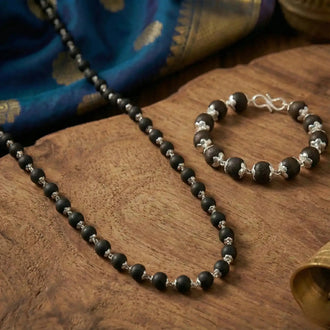
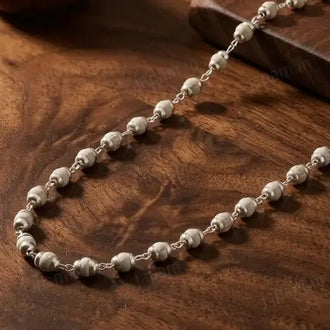
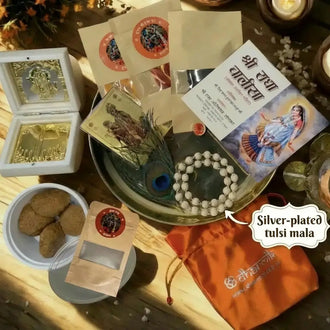
Embrace divine energy with the Original Tulsi Japa Mala, handcrafted from Tulsi beads. Each bead carries spiritual purity, offering protection, peace, and devotion in your daily life.
Key Characteristics of an Authentic Tulsi Mala
Here are some ways to identify an original Tulsi mala:
-
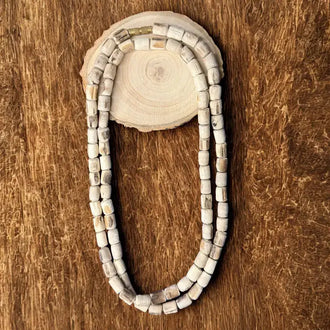
Wood Texture: Tulsi beads are light in weight and slightly rough in texture.
-
Natural Fragrance: A genuine mala carries a faint, earthy smell of the Tulsi plant.
-
Bead Color: The beads are usually pale cream, off-white, or light brown—never too shiny.
-
Cooling Effect: Wearing a real mala gives a soothing and cooling effect on the skin.
- Sacred Vibe: Many devotees feel calmness and peace when chanting with authentic beads.
Signs of a Fake Tulsi Mala
Since the market is full of duplicates, here are a few red flags to spot imitations:
-
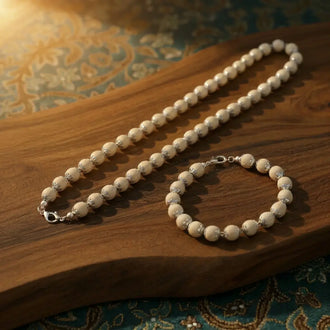
Beads that are too smooth and polished like plastic.
-
Uniform bead sizes without natural variations.
-
Strong chemical smell instead of natural fragrance.
-
Artificial shine or glossy coating.
-
Very heavy weight compared to the lightweight nature of Tulsi wood.
This is often where people mistakenly buy a fake Tulsi mala, thinking it’s authentic because of its attractive look.
Comparing Fake vs. Real Tulsi Mala
1. Weight & Feel
-
Real Tulsi mala: Very lightweight, with a soft natural texture.
-
Fake Tulsi mala: Heavier, unnaturally smooth.
2. Fragrance
-
Real Tulsi mala: Subtle earthy fragrance of Tulsi wood.
-
Fake Tulsi mala: Either no fragrance or a chemical smell.
3. Color
-
Real Tulsi mala: Off-white or light cream, slightly uneven.
-
Fake Tulsi mala: Bright, glossy, or artificial colors.
4. Bead Variations
-
Real Tulsi mala: Beads vary slightly in size and shape.
-
Fake Tulsi mala: All beads look identical, machine-made.
5. Spiritual Experience
-
Real Tulsi mala: Brings calmness, helps focus during chanting.
- Fake Tulsi mala: Feels like just another accessory without energy.
How to Care for Your Tulsi Mala
Once you’ve identified and bought a genuine Tulsi mala, caring for it properly is equally important.
-
Keep it clean and avoid contact with perfumes or chemicals.
-
Store it in a cloth bag when not in use.
-
Avoid wearing it while sleeping or bathing.
- Regularly chant with it to keep its spiritual vibrations active.
Where Fake Malas Are Commonly Found
The popularity of the Tulsi mala has given rise to mass-produced versions sold in local markets and online platforms. These often include a large number of fake Tulsi mala options, tempting buyers with low prices. Authentic malas are crafted carefully, usually by hand, while fakes are mass-manufactured. Always check authenticity certificates or buy from trusted spiritual stores to ensure you receive a real Tulsi mala.
Where to Buy Authentic Tulsi Mala
If you’re looking for an authentic Tulsi mala, you can buy from us- Dharmik with complete assurance of authenticity. Each mala is crafted from sacred Tulsi wood, carefully prepared and energized to retain its spiritual essence. Unlike mass-produced imitations, our malas are sourced ethically and designed for long-lasting use in meditation, mantra chanting, and puja rituals. By choosing to buy from us, you are not only getting a genuine product but also investing in a spiritual tool that brings peace, protection, and divine blessings into your life.
Always check for natural texture, lightweight feel, and fragrance before buying.

FAQs on Tulsi Mala
Q1: Can a Tulsi mala be worn every day?
Yes, devotees often wear their Tulsi mala daily for spiritual protection and energy.
Q2: How do I energize a Tulsi mala?
You can energize it by chanting the Hare Krishna mantra or any Vishnu mantra 108 times.
Q3: Does a Tulsi mala break easily?
Being lightweight, it may break if handled roughly, but with care, it lasts for years.
Q4: What should I do if my Tulsi mala breaks?
You should respectfully immerse the broken mala in a river, temple pond, or beneath a Tulsi plant.
Final Thoughts
The Tulsi mala is much more than a string of beads—it’s a sacred connection to devotion, purity, and divine blessings. Learning how to distinguish between imitations and authenticity ensures that your spiritual practices are genuine and meaningful. Whether you use it for chanting, meditation, or protection, always choose an authentic mala over a fake Tulsi mala. When you experience the calm and focus that only a real Tulsi mala provides, you’ll understand why devotees across generations hold it so close to their hearts.
👉 Order your original Tulsi Mala Here: