
The Symbolisms of Tulsi Leaves and Beads in Hinduism
In Hindu tradition, few plants hold as much spiritual significance as Tulsi (Ocimum sanctum), known as Holy Basil. Hindus regard it as an earthly manifestation of Goddess Tulasi—she is regarded as the avatar of Lakshmi, and thus the consort of Lord Vishnu. Every part of the tulsi mala—from its sacred leaves to its consecrated beads—carries profound symbolic meaning that bridges the material and spiritual realms.
The tulsi beads meaning extends far beyond physical adornment. Vaishnavas are known as "those who bear the tulsi round the neck," making tulsi mala beads an essential symbol of devotion, purity, and divine connection. Let's explore the deep symbolism woven into this most sacred plant.

The Divine Origin: Vrinda's Transformation
The sacred story of Tulsi reveals its profound tulsi beads meaning rooted in devotion and sacrifice.
The Legend of Vrinda
According to ancient scriptures, Vrinda was a devoted woman whose strong faith protected her demon husband Jalandhar, making him unbeatable in battle. Lord Vishnu, touched by her devotion, blessed Vrinda to be reborn as the Tulsi plant. He declared that she would be worshipped by devotees worldwide, and that wearing tulsi mala would bring his divine protection and blessings.
In her transformation, Tulsi became more than a plant—she became a living symbol of devotion, purity, and the eternal connection between devotee and divine. This is why Tulsi is considered the most sacred plant in Hinduism, and why tulsi mala beads hold such deep spiritual meaning.
Symbolic Meanings of Tulsi in Hindu Cosmology
According to Hindu prayer, every part of the Tulsi plant carries sacred significance:
Branches: Creator-god Brahma resides here Roots: All Hindu pilgrimage centers and the sacred Ganges River Stem: All Hindu deities dwell within Leaves: The Vedas manifest in the upper branches
This cosmic symbolism means the Tulsi plant is regarded as a threshold point between heaven and earth—a living bridge connecting devotees to the divine realm.
The Spiritual Symbolism of Tulsi Mala Beads
Tulsi mala beads are traditionally made from Tulsi stems or roots, crafted into 108-bead rosaries that serve as powerful spiritual tools.
Connection with Lord Vishnu
Tulsi malas are considered to be auspicious for the wearer, and believed to connect them with Vishnu or Krishna and confer the protection of the deity. It is commonly believed that upon wearing these beads, Lord Vishnu never leaves his devotees and always stays by their sides.
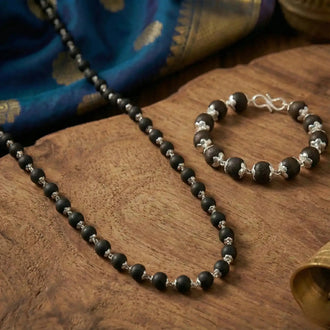
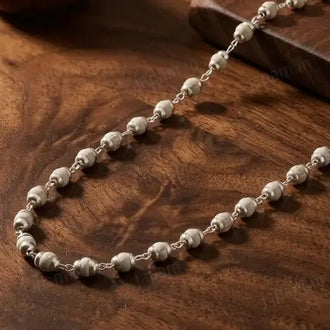
The Tulsi Kanthi Mala 8mm Double Round exemplifies this sacred connection—worn around the neck, it keeps you in constant communion with divine consciousness.
The Sacred Number 108
The traditional tulsi mala contains 108 beads, a number holding profound significance in Hindu cosmology. This sacred number represents the universe's wholeness—there are 108 Upanishads, 108 sacred sites in India, and 108 energy lines converging to form the heart chakra.
The Tulsi Japa Mala with 108 Original Big Beads honors this cosmic symbolism, allowing practitioners to chant mantras 108 times, aligning themselves with universal harmony.
Symbolism in Vaishnava Tradition
Tulsi is especially sacred in the worship of Vishnu and his forms Krishna and Vithoba. The deep connection is evident:
- Identity Marker: Vaishnavas are identified as "those who bear the tulsi round the neck"
- Incomplete Worship: Even any offering to Lord Vishnu is incomplete until and unless it is accompanied by Tulsi leaves
- Pilgrimage Companion: Some pilgrims carry tulsi plants throughout their pilgrimage to Dwarka, Krishna's legendary capital
- Initiation Symbol: Tulsi mala beads are an important symbol of Vaishnava initiation
The Two Sacred Forms: Rama Tulsi and Krishna Tulsi
The Tulsi plant manifests in two primary forms, each carrying distinct symbolism:
- Rama-Tulsi: Bright green leaves and stem—associated with Lord Rama, avatar of righteousness
- Shyama-Tulsi/Krishna-Tulsi: Dark purple leaves and stem—considered especially sacred to Krishna, whose dark complexion it mirrors
Both varieties are worshipped, with the purple Krishna-Tulsi considered particularly potent for devotees of Lord Krishna.
Symbolic Benefits of Wearing Tulsi Mala
The tulsi beads meaning encompasses multiple layers of spiritual symbolism:
Purification Symbol
Tulsi is known as Visva Pavani (purifier of the three worlds). Wearing a tulsi mala symbolizes the devotee's commitment to purity in thought, word, and deed.
Protection Symbol
The sacred beads create a protective shield—symbolically and energetically—around the wearer. No one can harm a person who wears a Tulsi mala as they are under the guidance of Lord Vishnu.
Devotion Symbol
Tulsi mala beads represent bhakti (devotional surrender) to God. The act of wearing them declares one's spiritual identity as a devotee of Lord Vishnu.
Bridge Between Realms
The Tulsi Mala serves as a direct bridge between the devotee and the divine. Lord Vishnu lives within every Tulsi leaf, making the tulsi mala a portable temple that carries divine presence wherever you go.
Tulsi Vivah: The Ultimate Symbolism
The annual Tulsi Vivah ceremony—celebrated during Kartik month—symbolizes the ceremonial wedding of Tulsi plant to Vishnu in the form of Shaligram stone. This sacred marriage represents:
- Reconciliation: The healing of Vrinda's curse
- Eternal Union: The inseparable bond between devotee and divine
- Chastity Restored: Vrinda's purity honored for eternity
- Season's Blessing: Inauguration of the wedding season in India
During this festival, devotees often receive new tulsi mala, believed to carry extra spiritual potency.

FAQs About Tulsi Symbolism
Q1. What does tulsi mala symbolize in Hinduism?
Tulsi mala symbolizes devotion to Lord Vishnu, purity, divine protection, and the eternal connection between devotee and deity. It represents Vrinda's transformation and serves as a bridge between earthly and heavenly realms.
Q2. Why are tulsi beads considered sacred?
Tulsi beads are made from the plant incarnation of Vrinda/Goddess Lakshmi. They carry divine energy, and wearing them is believed to keep Lord Vishnu constantly by the devotee's side.
Q3. What is the spiritual meaning of 108 tulsi mala beads?
The number 108 represents cosmic wholeness—108 Upanishads, 108 sacred sites, 108 energy lines to the heart chakra. Chanting 108 times aligns practitioners with universal harmony.
Q4. What's the difference between Rama Tulsi and Krishna Tulsi symbolism?
Rama Tulsi (green) symbolizes Lord Rama's righteousness and virtue, while Krishna Tulsi (purple) symbolizes Lord Krishna's divine play and is considered especially sacred for Krishna devotees.
Q5. Why do Vaishnavas always wear tulsi mala?
Vaishnavas are known as "those who bear tulsi round the neck." The mala is an essential identity marker, initiation symbol, and constant reminder of devotion to Lord Vishnu.
Final Reflections
The symbolism of tulsi mala beads transcends mere religious custom—it represents a living spiritual technology perfected over millennia. When you understand the tulsi beads meaning, you realize that wearing this sacred rosary isn't superstition; it's conscious participation in divine connection.
Every bead carries Vrinda's devotion. Every leaf embodies Lakshmi's blessings. Every stem connects to Vishnu's protection. When you wear a Tulsi Kanthi Mala or use a Tulsi Japa Mala for meditation, you're activating symbols that bridge heaven and earth.
This is the power of understanding symbolism—it transforms objects into portals, plants into deities, and beads into bridges to the divine.
Jai Tulsi Mata! Hare Krishna!
👉 Experience sacred symbolism: Order your own Tulsi Kanthi Mala—each bead carrying the divine symbolism of Vrinda's devotion and Vishnu's protection. Made from original Tulsi wood for genuine spiritual connection.