

Tulsi Mala and Karma: How It Supports a Satvik Lifestyle
Tulsi Mala and karma share a deep spiritual connection in Indian tradition. Wearing a Tulsi Mala is not just a religious practice, but a conscious step toward a satvik lifestyle rooted in purity, mindfulness, and positive intent. From ancient scriptures to modern spiritual seekers, Tulsi Mala continues to be a powerful symbol of balanced karma and ethical living.
In a world filled with distractions and fast-paced routines, many people are returning to satvik practices to restore harmony in their lives. Understanding how Tulsi Mala influences karma can help beginners and general readers make more mindful choices every day.
Understanding Tulsi Mala and Karma in Daily Life
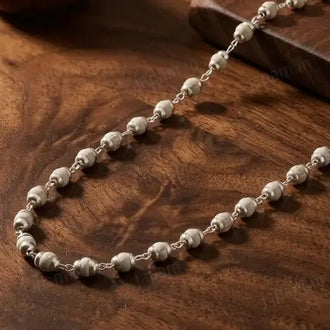
Tulsi, also known as Holy Basil, is revered as a sacred plant in Hindu culture. When its wood is crafted into a mala, it becomes a spiritual tool believed to purify thoughts and actions.

Karma, on the other hand, refers to the principle of cause and effect, where every action leaves an impression on the soul. Tulsi Mala and karma are interconnected because the mala serves as a reminder to act consciously and ethically.
- Encourages awareness of one’s actions and intentions
- Helps cultivate discipline in thoughts, speech, and behavior
- Acts as a spiritual anchor during meditation and chanting
By wearing a Tulsi Mala, many people find it easier to stay aligned with positive karmic actions throughout the day.
How Tulsi Mala Supports a Satvik Lifestyle
A satvik lifestyle focuses on purity, balance, and harmony with nature. Tulsi Mala naturally complements this way of living by influencing both inner and outer habits.
- Promotes calmness and emotional stability
- Supports vegetarian and mindful dietary choices
- Encourages truthfulness, compassion, and self-control
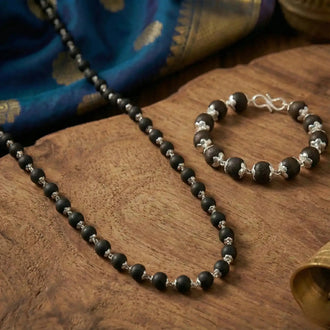
People who follow satvik principles often pair their Tulsi Mala with daily japa or mantra chanting, using products like a 108-bead Tulsi Jap Mala designed specifically for spiritual practice.

Spiritual Benefits of Wearing Tulsi Mala Regularly
Tulsi Mala is not only symbolic but also experiential. Many wearers report subtle yet meaningful shifts in their mindset and routine.
- Helps reduce negative thought patterns
- Supports focus during meditation and prayer
- Creates a sense of spiritual protection
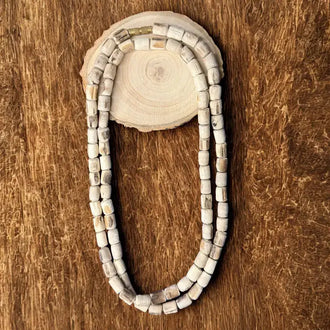
Those seeking a balance between tradition and modern wearability often prefer a Tulsi Kanthi Mala, which can be worn daily without feeling heavy or intrusive.
Tulsi Mala and Karma Cleansing Practices
While no object can erase karma entirely, Tulsi Mala is believed to support karmic cleansing when combined with right intention and action.
- Encourages regular spiritual discipline
- Acts as a reminder to avoid harmful habits
- Supports self-reflection and ethical living
Practices like morning chanting or evening meditation become more effective when done with intention. Some practitioners also keep a Tulsi Mala Bracelet for subtle, constant spiritual awareness during work or travel.
Choosing the Right Tulsi Mala for a Satvik Path
Not all malas serve the same purpose. Selecting the right Tulsi Mala depends on how you plan to incorporate it into your lifestyle.
- Jap Malas are ideal for mantra repetition
- Neck Malas are suitable for daily spiritual alignment
- Bracelets work well for subtle, continuous awareness
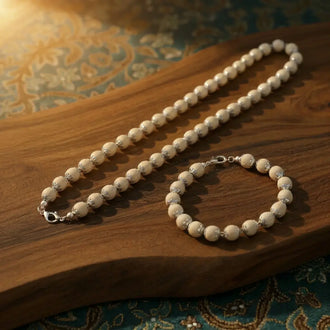
For those beginning their spiritual journey, a Neem and Tulsi Mala combination is often chosen for its grounding and purifying qualities without overwhelming rituals.

Daily Habits That Strengthen the Tulsi Mala and Karma Connection
Wearing a Tulsi Mala alone is not enough. Its true impact is felt when paired with conscious habits.
- Eating satvik food prepared with gratitude
- Speaking truthfully and avoiding gossip
- Practicing gratitude before sleep
These small steps gradually align actions with positive karma, making the Tulsi Mala a living symbol of one’s values rather than just an accessory.
FAQs on Tulsi Mala and Karma
1. Can wearing a Tulsi Mala really affect karma?
Tulsi Mala does not change karma instantly, but it supports mindful actions that lead to positive karmic outcomes over time.
2. Who can wear a Tulsi Mala?
Anyone seeking mental peace, spiritual growth, or a satvik lifestyle can wear a Tulsi Mala, regardless of age or background.
3. Can Tulsi Mala be worn daily?
Yes, Tulsi Mala is safe and suitable for daily wear, especially when handled with respect and cleanliness.
4. Is chanting necessary while wearing Tulsi Mala?
Chanting enhances its benefits, but even mindful wearing can help maintain spiritual awareness.
Final Thoughts on Living Satvik with Tulsi Mala
Tulsi Mala and karma are deeply connected through intention, awareness, and conscious living. When embraced as part of a satvik lifestyle, Tulsi Mala becomes more than a spiritual ornament. It serves as a gentle reminder to act with purity, compassion, and responsibility every single day.
Choosing the right Tulsi Mala and pairing it with mindful habits can gradually transform daily routines into meaningful spiritual practices.
Order now and begin your journey toward balanced karma and a truly satvik lifestyle.

Written by: Ekta Kumar




1 comment
Perfect time not delivery