
What Is Tulsi Mala? Meaning, Benefits, and Spiritual Significance
In Indian spiritual traditions, some objects are not worn for style, but for faith, discipline, and inner connection. The Tulsi mala is one such sacred wearable. Made from the holy Tulsi plant, it has been used for centuries by devotees, seekers, and households as a symbol of purity and devotion.
At Dharmik, sacred wearables are created with the belief that spirituality should feel authentic, respectful, and accessible in daily life. A Tulsi mala is not just an ornament—it is a reminder to live with awareness, calmness, and faith. Understanding the Tulsi mala meaning, its benefits, and its spiritual role helps you wear it with intention rather than habit.
This guide explains everything you need to know, whether you are a beginner or someone deepening your spiritual practice.

What Is a Tulsi Mala?
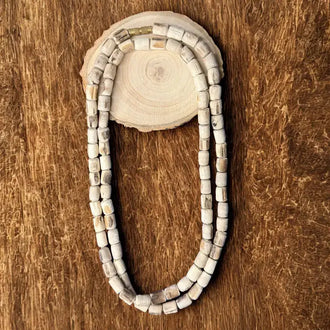
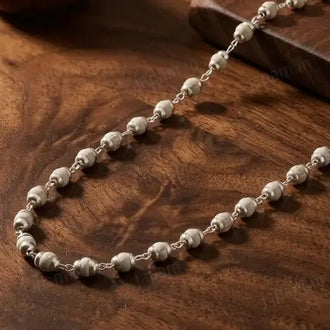
A Tulsi mala is a necklace or prayer rosary crafted from the stem or wood of the Tulsi plant (Ocimum sanctum), also known as Holy Basil. Tulsi is considered sacred in Hindu tradition and is associated with devotion, purity, and divine energy.
Tulsi malas are commonly used for:
- Daily prayer and worship
- Mantra chanting (japa)
- Meditation
- Spiritual discipline
They are available in different forms, including:
- Kanthi malas (neck-worn, usually single or double round)
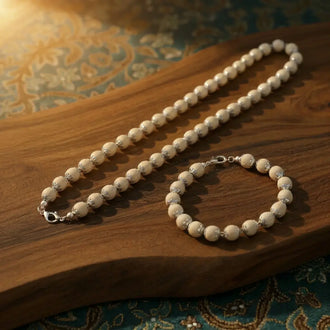
- Japa malas (108 beads, used for chanting)
- Bracelets for subtle daily wear
Tulsi Mala Meaning in Spiritual Life
The Tulsi mala meaning is deeply connected to bhakti (devotion) and sattvic living (a pure, disciplined lifestyle). Tulsi is traditionally linked with Lord Vishnu and Lord Krishna, and wearing a Tulsi mala is seen as an expression of surrender and humility.
Spiritually, the mala serves as:
- A reminder to stay mindful
- A symbol of devotion over materialism
- A tool to support disciplined spiritual habits
When worn close to the skin, the mala constantly reminds the wearer to speak truthfully, act calmly, and live with awareness.
Why Tulsi Mala Is Worn Daily
Many devotees wear a Tulsi mala daily because it keeps spiritual intention active throughout the day—not only during prayer.
People wear it:
- During morning prayers
- While chanting mantras
- Throughout the day as a symbol of faith
- During meditation or spiritual study
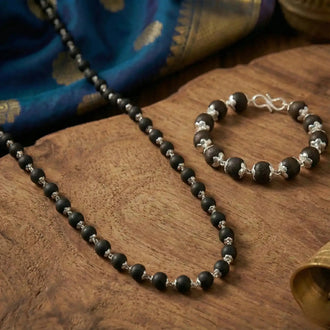
For those who prefer elegance with devotion, combinations like the Premium Silver Tulsi Combo – Silver-Plated Mala & Bracelet offer a refined way to integrate spirituality into modern life without losing its sacred essence.

Tulsi Mala Benefits for Mind, Body, and Spirit
The long-trusted Tulsi mala benefits are experienced gradually through consistent and respectful use.
Spiritual Benefits
- Supports devotion and surrender
- Enhances focus during prayer and meditation
- Encourages disciplined spiritual practice
Mental and Emotional Benefits
- Promotes calmness and mental clarity
- Helps reduce restlessness
- Encourages mindful living
Lifestyle and Energy Benefits
- Believed to maintain positive vibrations
- Encourages a peaceful home environment
- Acts as a gentle reminder of spiritual values
These Tulsi mala benefits are most effective when the mala is worn with faith rather than expectation.
Types of Tulsi Malas and Their Uses
Different forms of Tulsi malas serve different spiritual needs.
| Type | Best For | Common Use |
|---|---|---|
| Kanthi Mala (big beads) | Daily wear | Devotion & discipline |
| Small Bead Kanthi Mala | Continuous wear | Subtle spiritual reminder |
| 108 Bead Japa Mala | Mantra chanting | Meditation & japa |
For example, the Tulsi Kanthi Mala with Original Big Beads Single Round Kanthi Mala – Premium Necklace is ideal for those who want a traditional, visible expression of devotion.
Meanwhile, the Original Tulsi Combo – Small Bead Tulsi Kanthi Mala & 108 Tulsi Bead Japa Mala supports both daily wear and focused mantra practice, making it suitable for beginners and intermediate practitioners alike.

How to Wear a Tulsi Mala Correctly
Wearing a Tulsi mala is simple, but certain practices help maintain respect and spiritual intent.
Recommended Practices
- Wear it after bathing or washing hands
- Use it during prayer or meditation
- Store it near your altar when not worn
Avoid
- Wearing it while sleeping or bathing
- Treating it as a fashion accessory
- Placing it in impure areas
Understanding the Tulsi mala meaning helps ensure it is worn as a spiritual tool, not just jewelry.
Tulsi Mala vs Other Spiritual Malas
| Mala | Primary Energy | Associated Path |
|---|---|---|
| Tulsi Mala | Peace & devotion | Bhakti (devotion) |
| Rudraksha | Stability & protection | Meditation & discipline |
| Sandalwood | Calmness | General mindfulness |
Choosing the right mala depends on your spiritual intention rather than trends.
Who Can Wear a Tulsi Mala?
A Tulsi mala can be worn by:
- Beginners starting spiritual practices
- Devotees of Vishnu or Krishna
- People seeking calm and clarity
- Anyone drawn to mindful living
There are no rigid restrictions—respect and sincerity matter most.
FAQs About Tulsi Mala
1. What is the real Tulsi mala meaning?
It represents purity, devotion, and a disciplined spiritual life.
2. Can a Tulsi mala be worn every day?
Yes, it can be worn daily when treated respectfully.
3. What are the main Tulsi mala benefits?
Peace of mind, improved focus, and spiritual awareness.
4. Is a Tulsi mala only for religious people?
No, anyone seeking mindfulness and inner calm can wear it.
Choosing Tulsi Mala with Awareness
The Tulsi mala is a timeless spiritual companion that quietly supports faith, calmness, and mindful living. Its power does not come from appearance, but from intention and consistency.
At Dharmik, Tulsi malas are created to honor tradition while fitting naturally into modern spiritual lifestyles. Whether you choose a simple Kanthi mala, a full japa mala, or a refined silver-plated combo, what matters most is wearing it with awareness.
When chosen thoughtfully, a Tulsi mala becomes more than a sacred accessory—it becomes a daily reminder to live with purity, devotion, and inner balance.

Written by: Anushka Singh