
Jyeshtha Purnima 2026: Date, Significance, Rituals & Full Moon Importance
Introduction
Jyeshtha Purnima 2026 will be observed on Tuesday, June 30, 2026, and holds immense spiritual importance in Hindu tradition. This sacred full moon day falls during the Jyeshtha month and is associated with purification, charity, devotion, and powerful spiritual practices.
The full moon June 2026 India is especially significant because it is connected with Vat Purnima Vrat, sacred river bathing, Satyanarayan Puja, and worship dedicated to Lord Vishnu and the divine feminine energies of nature.
For many devotees, Jyeshtha Purnima is not just another Purnima—it is considered a spiritually charged day that symbolizes renewal, gratitude, and inner balance.

Jyeshtha Purnima 2026 Date & Tithi Timings
Here are the important details for Jyeshtha Purnima 2026:
|
Occasion |
Date & Timing |
|
Jyeshtha Purnima 2026 Date |
Monday, June 29, 2026 |
|
Purnima Tithi Begins |
June 29, 2026 |
|
Purnima Tithi Ends |
June 30, 2026 |
|
Moonrise Time |
Evening (varies by city) |
|
Hindu Month |
Jyeshtha |
|
Paksha |
Shukla Paksha |
Devotees usually perform puja during the daytime and observe moon-related rituals in the evening after moonrise.
Also Read: Nirjala Ekadashi 2026 — The Hardest Fast in Hinduism and Why Devotees Still Keep It
What Is Jyeshtha Purnima?
Jyeshtha Purnima is the full moon day that occurs during the Hindu month of Jyeshtha. The word Purnima means “full moon,” symbolizing completion, illumination, and spiritual fullness.
This Purnima is especially known for:
- Vat Purnima Vrat
- Sacred bathing rituals
- Satyanarayan Katha
- Charity and donations
- Worship of Lord Vishnu
- Moon-related spiritual practices
The energy of the full moon is believed to enhance spiritual awareness and emotional clarity, making this day highly auspicious for prayer and meditation.
Spiritual Significance of Jyeshtha Purnima
The significance of Jyeshtha Purnima is deeply connected to purification and devotion.
According to Hindu beliefs:
- Full moon days amplify spiritual vibrations
- Charity performed on this day brings punya (merit)
- Worshipping Lord Vishnu brings peace and prosperity
- Sacred river bathing helps cleanse negativity
- Fasting strengthens discipline and inner awareness
Many devotees also believe that Purnima helps calm emotional imbalance and supports spiritual growth.

Vat Purnima Significance
One of the most important observances associated with this day is Vat Purnima Vrat, especially celebrated by married women in Maharashtra, Gujarat, and several parts of North India.
Why Is Vat Purnima Celebrated?
The vrat is connected to the legendary story of Savitri and Satyavan. Savitri’s devotion, wisdom, and determination are believed to have brought her husband back from death itself.
Because of this story:
- Women pray for the long life of their husbands
- Banyan trees are worshipped
- Sacred threads are tied around the tree
- Fasting and prayers are observed
The banyan tree symbolizes:
- Longevity
- Stability
- Wisdom
- Eternal life
This is why the Vat Purnima significance remains deeply respected even today.
Rituals Performed on Jyeshtha Purnima
1. Holy Bath (Snan)
Devotees wake up early and bathe in sacred rivers, ponds, or at home with Ganga Jal mixed in water.
Bathing during Purnima is believed to:
- Purify the mind
- Remove negativity
- Invite divine blessings
2. Fasting (Vrat)
Many devotees observe a fast throughout the day.
Some follow:
- Nirjala vrat (without water)
- Fruit-only fasting
- Satvik meals after moonrise
Fasting is considered a way to strengthen self-control and devotion.
3. Satyanarayan Puja
Lord Vishnu is worshipped in the form of Satyanarayan on this full moon day.
The puja usually includes:
- Tulsi leaves
- Panchamrit
- Fruits and sweets
- Satyanarayan Katha recitation
Many families gather together for this ritual in the evening.
4. Moon Worship
The moon holds special importance on Purnima.
Devotees:
- Offer water to the moon
- Meditate under moonlight
- Chant Vishnu mantras
- Pray for peace and emotional balance
5. Charity & Donations
Giving donations on Jyeshtha Purnima is considered highly auspicious.
Common donations include:
- Water pots
- Clothes
- Grains
- Fruits
- Food to the needy
Acts of charity are believed to reduce negative karma and increase blessings.

Why the Full Moon of June 2026 Is Special
The full moon June 2026 India carries both seasonal and spiritual importance.
This period marks:
- Transition into monsoon in many regions
- Increased spiritual observances
- Strong lunar energy in Hindu tradition
Spiritually, the full moon is associated with:
- Emotional clarity
- Completion
- Mental peace
- Divine illumination
Many spiritual practitioners use this time for:
- Meditation
- Chanting
- Manifestation prayers
- Silence and reflection
Importance of the Banyan Tree in Hinduism
The banyan tree worshipped during Vat Purnima represents the Hindu Trinity:
- Roots → Lord Brahma
- Trunk → Lord Vishnu
- Branches → Lord Shiva
The tree symbolizes immortality because of its long lifespan and ever-growing roots.
Women circumambulate the tree and tie sacred threads while praying for:
- Family well-being
- Marital happiness
- Prosperity
- Long life
Also Read: Why We Worship the Banyan Tree on Vat Savitri
How Families Celebrate Jyeshtha Purnima Today
Modern celebrations combine tradition with simplicity.
Families often:
- Visit temples together
- Perform home puja
- Observe fasting
- Read spiritual scriptures
- Prepare satvik meals
- Spend time in prayer and gratitude
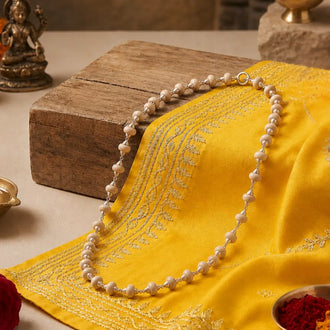
Many devotees also use authentic puja essentials, Tulsi malas, diyas, and spiritual products from platforms like Dharmik, which focus on preserving traditional Hindu rituals and devotional practices in a meaningful way.

Benefits of Observing Jyeshtha Purnima Vrat
According to Hindu beliefs, observing this Purnima with sincerity may bring:
- Peace of mind
- Spiritual growth
- Family harmony
- Protection from negativity
- Prosperity and good health
- Emotional stability
The day is also considered favorable for resolving inner conflicts and strengthening faith.
Common Mistakes to Avoid During Purnima Rituals
Avoid:
- Consuming tamasic food
- Negative thoughts or arguments
- Performing rituals without cleanliness
- Disrespecting elders or traditions
Follow:
- Calmness and devotion
- Satvik lifestyle
- Proper fasting discipline
- Genuine prayer and gratitude
FAQs About Jyeshtha Purnima 2026
1. When is Jyeshtha Purnima 2026?
Jyeshtha Purnima 2026 will be celebrated on Tuesday, June 30, 2026.
2. What is the significance of Jyeshtha Purnima?
The day is associated with spiritual purification, fasting, Vishnu worship, charity, and Vat Purnima rituals.
3. Why is Vat Purnima celebrated?
Vat Purnima honors the devotion of Savitri toward Satyavan and is observed for marital well-being and longevity.
4. What rituals are performed on Jyeshtha Purnima?
Devotees observe fasting, Satyanarayan Puja, moon worship, charity, sacred bathing, and banyan tree worship.
5. Is Jyeshtha Purnima important spiritually?
Yes. Full moon days are considered spiritually powerful for meditation, chanting, purification, and devotion.

Conclusion
Jyeshtha Purnima 2026 is much more than a full moon—it is a sacred reminder of devotion, balance, gratitude, and spiritual awakening. From the deeply symbolic Vat Purnima significance to the calming energy of the full moon June 2026 India, this day holds timeless importance in Hindu tradition.
Whether you observe a fast, perform Satyanarayan Puja, worship the banyan tree, or simply spend time in prayer and reflection, this Purnima encourages inner peace and connection with the divine.
In a fast-moving world, festivals like Jyeshtha Purnima remind us to pause, purify our thoughts, and reconnect with faith, family, and nature.
Written by: Jayshri Tiwari